Reflective Update: The Aftermath of The Familiar’s Favour
533SuAfFaFa
After another wild week where things don’t seem to be getting easier I wanted to reflect on what this weeks blog was trying to do.
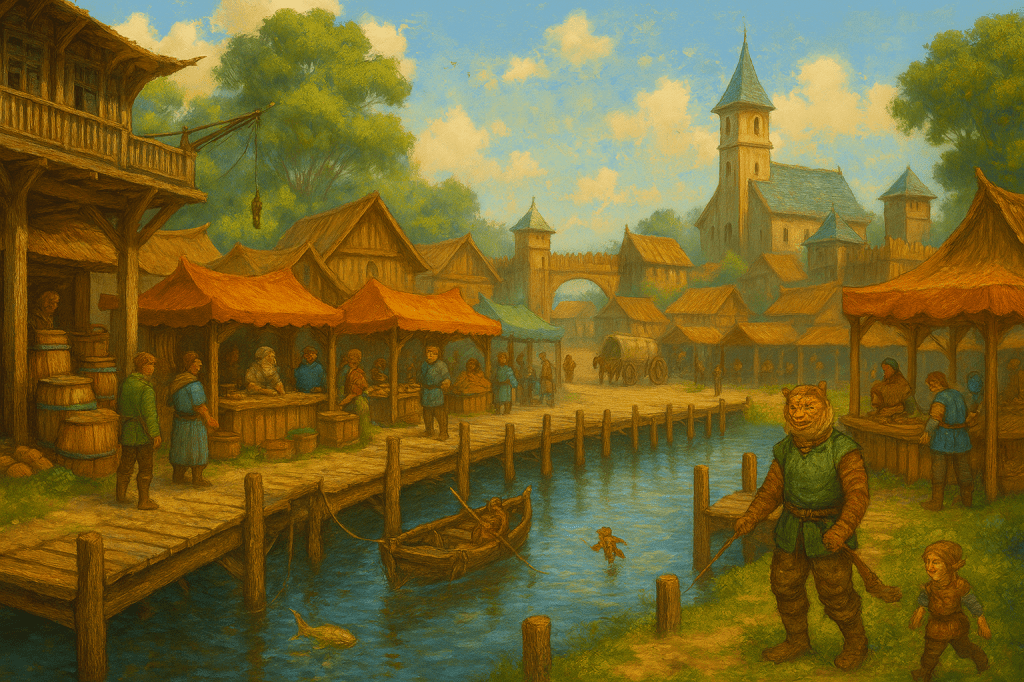
When I first outlined The Familiar’s Favour, I intended a simple mystery: a missing talisman, a nervous clerk, a missing assistant and a party tasked with recovery. But as the days unfolded, the narrative took on a different texture. What emerged was less a heist to be solved and more a question of trust, between mage and familiar, master and servant, city and the creatures that keep it alive. The Eyeless Spire and Ashford-on-Weir became the backdrop for something larger: the unsettling possibility that the bonds we consider unbreakable may in fact be brittle.
This resonated pretty hard with me this week as certain truths began to surface about a few things to do with work and assumptions that I had about quite a few things. While understanding ones truths is essential for any line of work when these truths are questioned or even completely unravelled before you it becomes a frantic climb to get back on top of the wall as it starts to topple. Maybe that concept is good material for the next D&D zine…
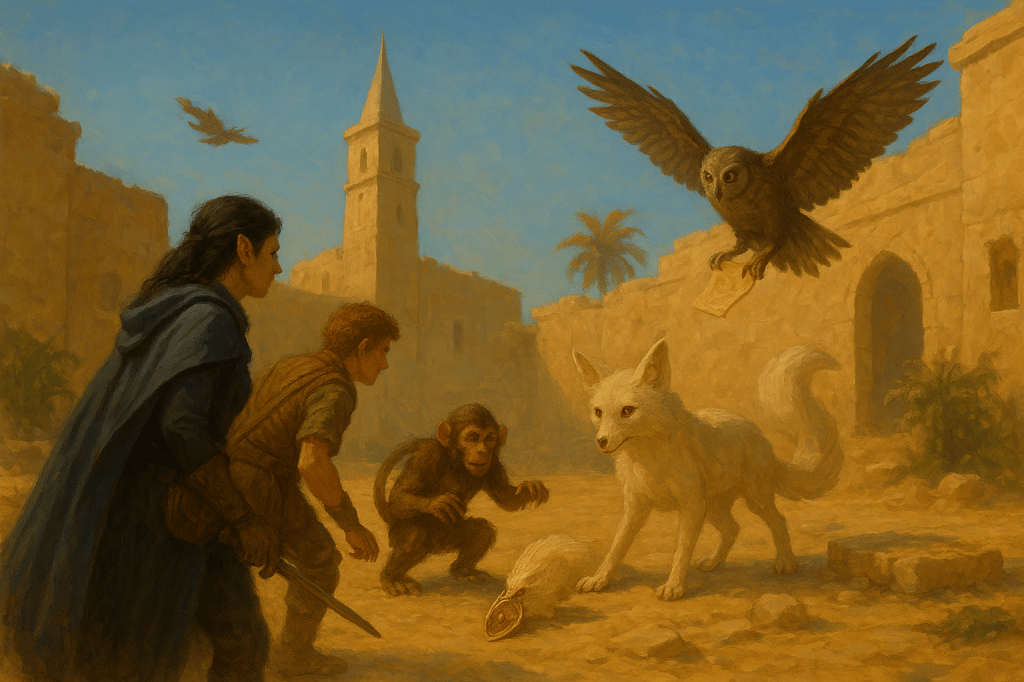
The reveal that it was the familiars themselves who had stolen the Charm of Concord recast the entire adventure. Until then, the clues could be explained away as sabotage, negligence, or a rival’s plot. But to see the beasts act with purpose, to coordinate and protect one another, transformed the theft into something more profound. It was no longer about recovering an object, but confronting the unsettling truth that those who were “bound” might have been waiting for the chance to act freely all along.
As I wrote each day’s entry, I found myself layering in these subtle questions almost unconsciously. The nervous tapping of Aleris Quall’s foot, the growing unease among market beasts, the strange footprints leading nowhere, each detail was less about pointing toward the missing talisman and more about creating that dawning realisation of autonomy. The adventure’s structure mirrors discovery itself: a slow peeling back of assumptions until the courtyard scene forces both characters and players to ask, what do we do now?
What struck me most, in hindsight, was the moral weight of that question. The party hold all the power, strength, spells, and steel, yet the familiars hold the truth of the matter. Do you subdue them and reassert the bond? Do you negotiate, recognising that the creatures have a will of their own? Or do you accept that something fundamental has shifted, and that Ashford-on-Weir may never return to what it was? In that tension lies the heart of the story: not the theft, but the choice of what balance between freedom and control should look like.
This gives the party that moment where they control the story, the fate of an entire city of people they will never meet in real life. That sense of accountability and responsibility of all those involved is what helped to drive this adventure further along the path to where it landed this week.
That is why I write adventures like this: not only to provide a framework for encounters and discoveries, but to offer space for deeper connection to the world in which we, the DMs and GMs, spin these tales for our players.
The Familiar’s Favour was never just about a stolen charm. It was about the fragility of trust, the unseen loyalties that shape a world, and the uncomfortable reminder that the “lesser” voices in our stories often have the most to say. I am curious to hear how others choose to resolve this tension at their own tables, and whether Ashford-on-Weir emerges safer, stranger, or perhaps forever changed.


 Brazen Wolfe Tabletop